When a Past Trade's Work Gets Left Behind Underground
Most plumbing problems start quietly. A slow drain here, a gurgle there. Nothing that screams emergency - until it does. That's exactly the kind of situation we ran into on this job, and what we found underground tells a story that's more common than most homeowners realize.
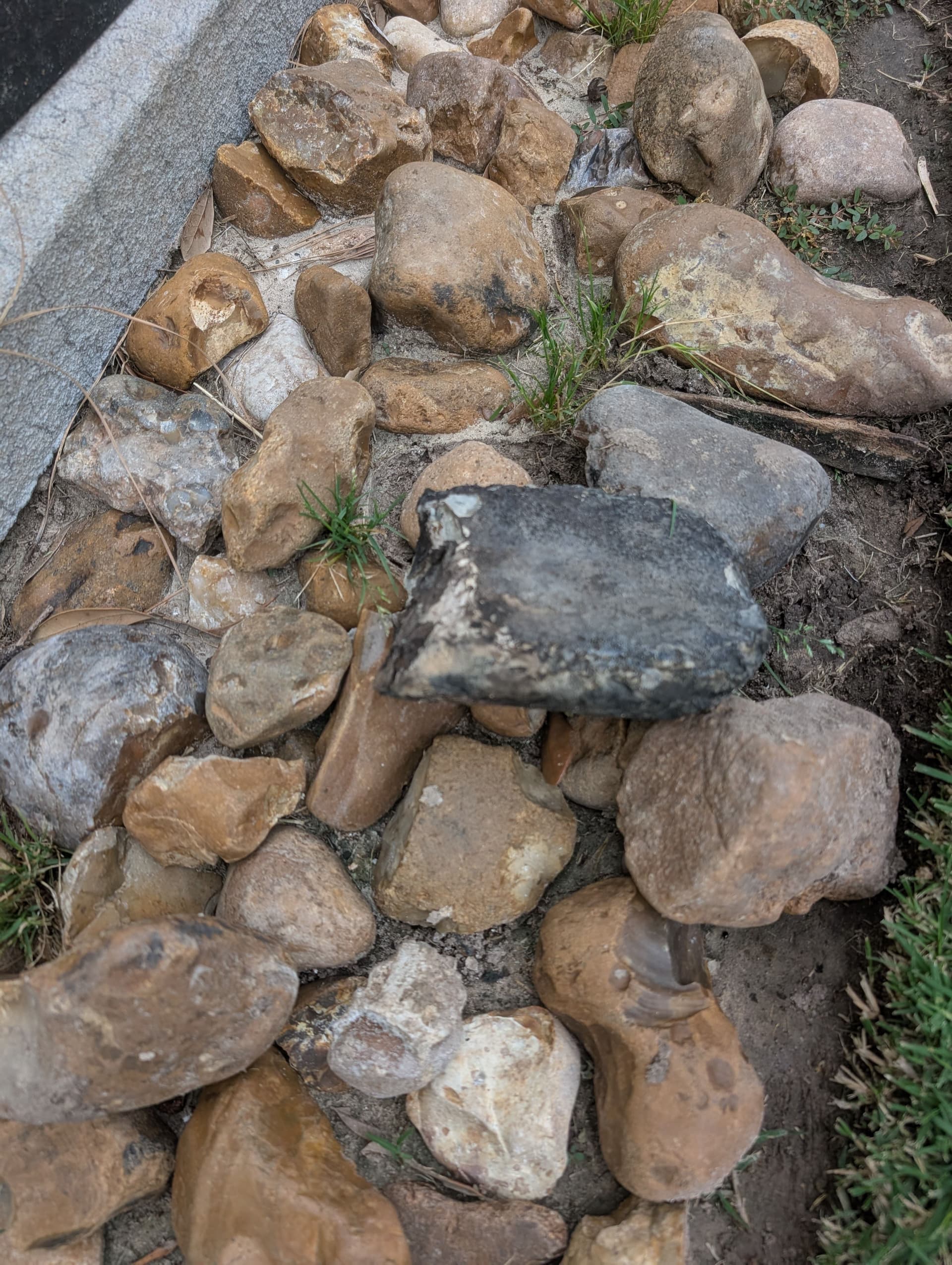
The culprit wasn't roots, grease buildup, or a collapsed pipe. It was a chunk of concrete - left inside the sewer line by a tile contractor at some point during a previous renovation. From the surface, nothing looked wrong. But underground, that concrete was sitting in the line like a cork, waiting to cause a full blockage.
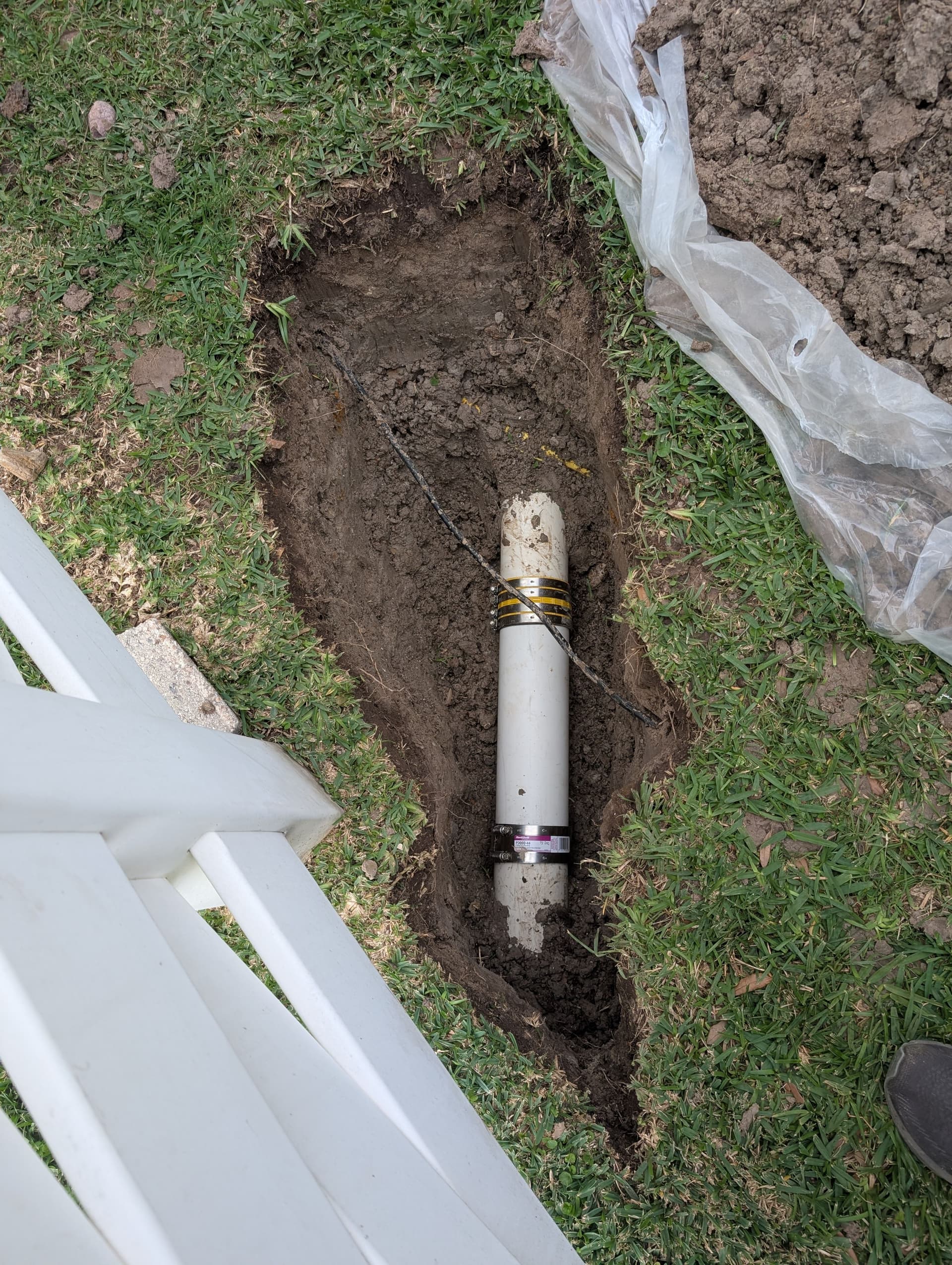
We had to dig down and cut that section of pipe open to get it out. There's no way to snake past a solid piece of concrete, and no chemical is going to dissolve it. This is exactly why sewer repair isn't just about clearing clogs - sometimes it requires hands-on access and the right approach to actually fix the root cause.
Once we removed the obstruction, we made the repair properly with a new section of pipe and mechanical couplings to reconnect everything clean and tight. The line flows the way it's supposed to now. No shortcuts, no guesswork.
The big takeaway here - if your drains are slow or acting strange and nothing seems to fix it, the problem might be buried out of sight. Don't ignore the signs. What starts as a minor backup can turn into a full sewer emergency fast. We're here to find what's actually going on and get it handled right.